Optimizing Airflow for Sustainable Living
Now, in a world where sustainability and innovation collide, the way we control air in our houses has changed drastically. And you approach it with a sensitivity that has grown from old-time farmhouse to a brilliant HVAC solution that is something the ancient midwives of air management would approve of.
The Unseen Effects of Airflow
Consider your home a living, breathing organism. Just as we need clean and fresh air to thrive, the spaces we live in also need good ventilation to stay healthy and efficient. But if it doesn’t matter where you live, whether a farmhouse in the country or an apartment in a city, the only principles remain the same: airflow is critical for energy efficiency, comfort and sustainability.
Bridging Traditional Wisdom with Modern Innovation
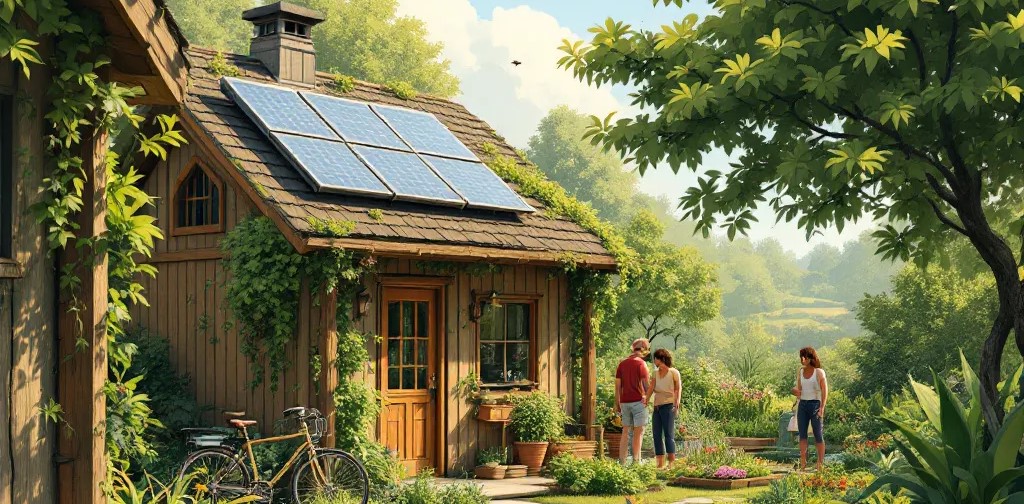
Traditional farmhouses have long relied on natural ventilation methods – strategically placed windows, door placement, and architectural features that promote air circulation. These time-tested approaches still hold valuable lessons for modern homeowners. However, today’s HVAC systems take these principles to new heights, offering precise control and enhanced efficiency that our ancestors could only dream of.
Smart Solutions for Today’s Challenges
Modern HVAC technology has revolutionized how we approach air management. Smart thermostats now learn our preferences and adjust automatically, while energy-efficient duct systems minimize waste. The integration of HEPA filters, carbon filters, and UV-C light systems ensures that the air we breathe is not just moving efficiently but is also clean and healthy.
Practical Tips for the Eco-Conscious Homeowner
- Regular Maintenance: Schedule bi-annual HVAC check-ups to ensure optimal performance and longevity.
- Smart Upgrades: Consider investing in a programmable thermostat to optimize energy usage based on your daily routines.
- Natural Solutions: Complement your HVAC system with strategic window placement and ceiling fans for enhanced air circulation.
- Eco-friendly Options: Look for systems using low-GWP refrigerants, which will become standard by 2025.
Looking to the Future
The future of airflow management is incredibly promising. Artificial Intelligence and Internet of Things (IoT) technology are making HVAC systems more intelligent and responsive than ever before. These systems can predict maintenance needs, automatically adjust to changing conditions, and integrate seamlessly with other home systems for optimal efficiency.
Making the Transition
Whether you’re restoring an aged farmhouse or improving a new one, the trick is to achieve the proper sweet spot between time-honored and trendy.
Organizations like Optimized Air Heating & Cooling are at the forefront, delivering solutions that meet both environment conservation and comfort demands
The Road Ahead
In our journey towards a more sustainable future, efficient airflow management will prove of utmost significance. Through the marriage of principles that proved themselves over time with the technologies of the moment, we can design homes that are not simply comfortable; they are also responsible citizens of the earth.
Keep in mind that any action you take to improve the airflow in your home is an integral part of the more extensive approach to sustainable living. Whether it’s scheduling regular maintenance on (or upgrading to) more efficient HVAC equipment, these decisions have a tangible impact on your comfort and environmental impact.
From old-school country house wisdom to futuristic innovations, this voyage tells us that though the tools of the trade may advance, the basic tenets of proper air movement never change. When you learn and apply these concept your houses become pleasant and polite to the environment as well.